Marlton School Home

Category

Academic Programs

12 articles

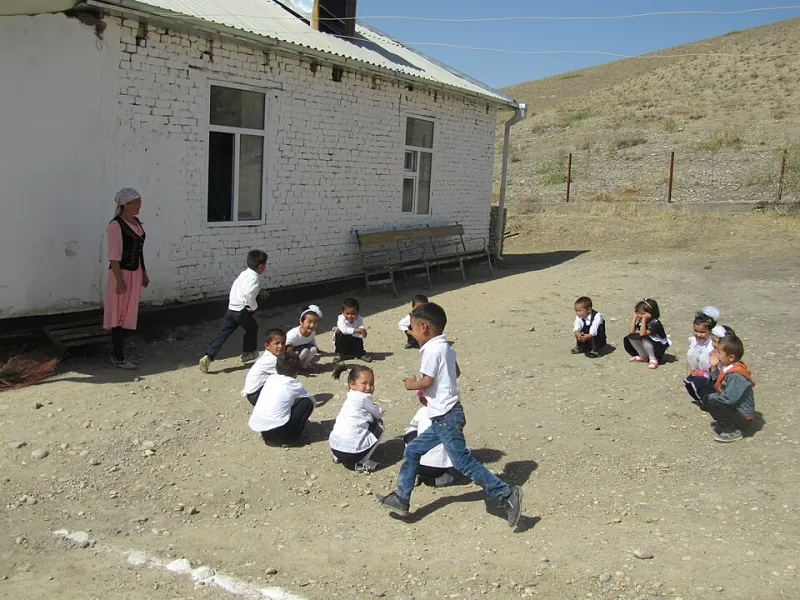
The Playground as Classroom: What Happens to a Young Brain in Motion

The Playground as Classroom: What Happens to a Young Brain in Motion

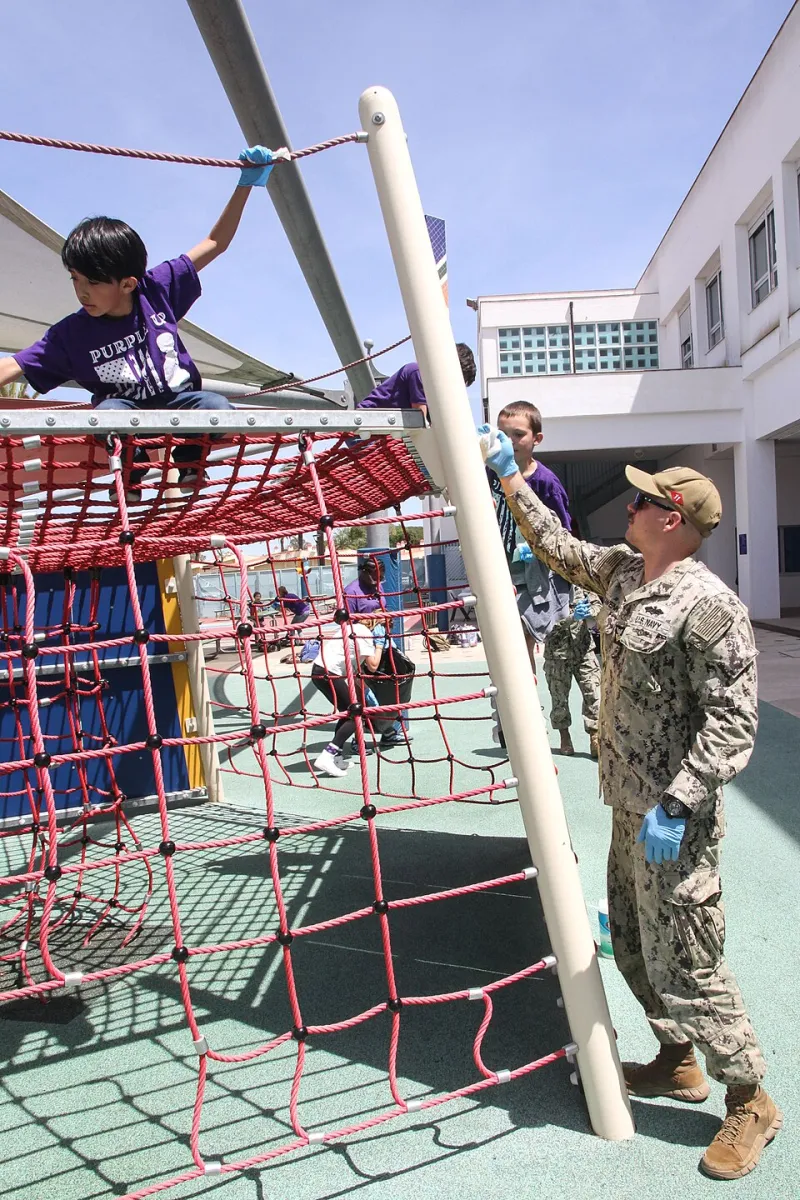
Mounting research suggests that recess and physical movement are not interruptions to learning but essential drivers of it. This article examines the neuroscience behind active play and why schools that protect time for movement often see stronger attention, memory, and classroom behavior.

When Stepping Away Is the Work: Understanding the Hidden Cognitive Value of Strategic Delay

When Stepping Away Is the Work: Understanding the Hidden Cognitive Value of Strategic Delay

Research increasingly suggests that the pause before a breakthrough may be just as important as the effort surrounding it. At Marlton School, educators recognize that not all delay is avoidance—and that understanding the difference can transform how families support their children's academic lives. This article examines the science of cognitive incubation and offers practical guidance for distinguishing productive pause from harmful procrastination.

Seeing Through Someone Else's Eyes: How Marlton School Makes Empathy a Core Academic Skill

Seeing Through Someone Else's Eyes: How Marlton School Makes Empathy a Core Academic Skill

In an increasingly polarized world, the ability to genuinely understand another person's experience has become one of the most consequential skills a student can develop. At Marlton School, empathy is not a soft add-on to the curriculum — it is woven deliberately into academic work across every grade level. This article examines the science behind perspective-taking, shares concrete classroom examples, and explains why this capacity may shape a student's future more than any standardized test sc

When the Team Becomes the Teacher: The Surprising Science of Collaborative Learning

When the Team Becomes the Teacher: The Surprising Science of Collaborative Learning

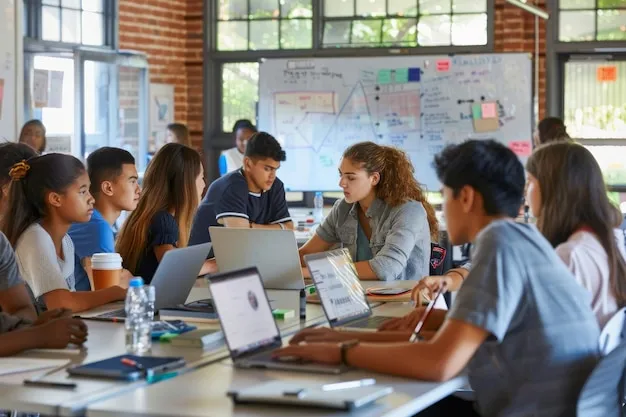
Research in neuroscience and social psychology reveals that group problem-solving activates cognitive pathways that solitary study simply cannot reach. At Marlton School, collaborative learning environments are not a supplement to academic rigor — they are central to it. Discover why some of our most remarkable student breakthroughs happen not at a desk alone, but around a shared challenge with peers.

What No Test Can Measure: The Lifelong Power of Learning to Work With Others

What No Test Can Measure: The Lifelong Power of Learning to Work With Others

Standardized assessments capture many things, but they cannot capture the moment a student learns to listen, compromise, and build something greater than what any one person could accomplish alone. At Marlton School, collaborative project work is not a supplement to rigorous academics—it is a cornerstone of them. This article examines why group learning develops competencies that matter deeply in college, careers, and civic life.

Voices in the Room: Building Classrooms Where Every Student Finds the Courage to Speak

Voices in the Room: Building Classrooms Where Every Student Finds the Courage to Speak

Discussion-based learning holds tremendous promise for deepening student understanding, yet not every learner arrives at the conversation with equal confidence. Marlton School examines the psychological forces that shape classroom participation and the evidence-backed strategies educators use to ensure that quieter, anxious, and neurodivergent students become genuine contributors—not silent observers.

From Passive Recipients to Active Thinkers: How the Art of Questioning Transforms Student Learning

From Passive Recipients to Active Thinkers: How the Art of Questioning Transforms Student Learning

The most powerful tool in a classroom may not be a textbook or a standardized rubric—it may be a well-crafted question. At Marlton School, inquiry-based methodologies and Socratic dialogue are reshaping how students engage with knowledge, producing graduates who don't just recall information but actively interrogate it. Discover the neuroscience and classroom practice behind this transformative approach.

Hands On, Minds Open: How Real-World Projects Unlock Academic Confidence in Every Type of Learner

Hands On, Minds Open: How Real-World Projects Unlock Academic Confidence in Every Type of Learner

For students who struggle to find their footing in traditional instruction, project-based learning offers a fundamentally different entry point into academic life — one grounded in curiosity, real-world relevance, and the satisfaction of building something meaningful. At Marlton School, this approach is not a supplement to the curriculum; it is central to how students develop the independent thinking skills that college and careers increasingly demand. This article examines the evidence behind p

Where History Meets Science Meets Literature: Inside Marlton's Integrated Classroom

Where History Meets Science Meets Literature: Inside Marlton's Integrated Classroom

At Marlton School, the boundaries between subjects are intentionally blurred—and that is precisely the point. By weaving history, science, and literature into unified learning experiences, students develop the kind of cross-disciplinary thinking that defines success in the modern world. Discover how this approach transforms the way students understand, question, and engage with complex ideas.

Fewer Students, Greater Impact: The Science Behind Small Class Learning at Marlton School

Fewer Students, Greater Impact: The Science Behind Small Class Learning at Marlton School

Research consistently shows that smaller class sizes create environments where students thrive academically and grow in confidence. At Marlton School, intentionally low student-to-teacher ratios are not merely a logistical choice — they are a foundational commitment to each child's individual success. Discover how this approach translates into measurable gains in critical thinking, classroom participation, and long-term academic achievement.

Redefining Achievement: How Marlton School Prepares Students for a World That Rewards More Than Memorization

Redefining Achievement: How Marlton School Prepares Students for a World That Rewards More Than Memorization

Standardized test scores have long served as the default measure of student achievement, but the landscape of education—and the demands of the modern workforce—has shifted considerably. At Marlton School, we have developed a comprehensive framework for evaluating student growth that honors academic rigor while embracing the full spectrum of skills students need to thrive. Here is a closer look at how we define, measure, and celebrate success in the 21st century.